
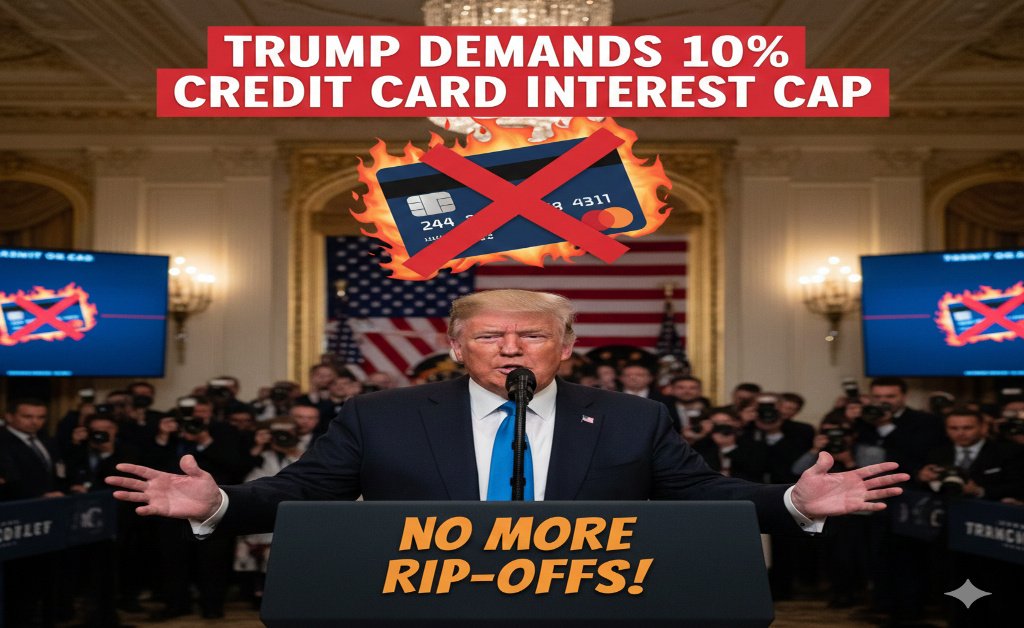
President Donald Trump has given the credit card industry a hard and fast deadline of January 20, 2026just a year after his reinstatement as the latest date for implementing the 10% cap on yearly interest rates. His move is not only daring but also aimed at releasing the pressure of extremely high-interest rates on about 40% of Americans. Through his social media channels, Trump has depicted the present lending landscape as a “rip-off” of the public and he has even gone to the level of demanding a temporary ceiling for a year against the backdrop of the cost-of-living crisis. The White House, however, has not yet made any announcement about the legal basis for the enforcement, but the expectation of compliance has already caused a great deal of concern in the financial world.
The Banks Are Preparing to Withdraw Massively from the Market
The banks have come together in opposition and warned the Trump administration that the complete dismantling of the credit environment will come with a severe restructuring of the whole system. The major players such as JPMorgan Chase and Citigroup claim that the current interest rates reflect the risks involved in lending. If the rates are set to an artificial 10%, the top executives will not hesitate to inform the public that the only option left for them is to deny lending to the lower-tier and poorest of borrowers. Some industry experts are predicting that as many as 80% of the credit card accounts now in existence might be at risk of being completely shut down or having their limits reduced as banks struggle to cope with loss-making portfolios.
Possible Downfall of Famous Rewards Programs
One of the indirect effects of the suggested limit on interest rates is the likely “chaotic contraction” of the credit card rewards ecosystem. Professionals observe that the pleasures of points, miles, and cash-back enjoyed by the large number of consumers are mainly financed by the interest and fees from revolving balances. If the major revenue from interest is cut in half, banks are likely to respond with massive increases in annual fees or outright elimination of rewards programs. This transition would probably restrict the availability of premium card benefits to only the wealthiest consumers, thereby putting an end to the subsidizing of travel and shopping perks for the average user.
Opposing Parties Support but Legal Enforcement Difficulties
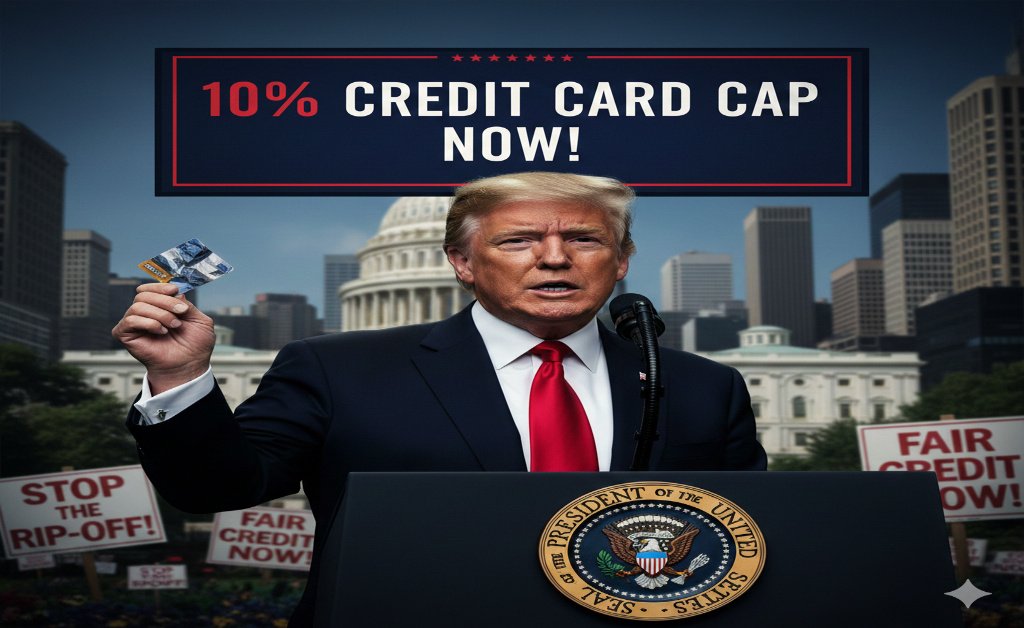
The proposal has not only met with resistance from Wall Street but has also gained unexpected bipartisan support, with lawmakers across the aisle showing a willingness to lower consumer debt burdens. Still, a serious question remains regarding the extent of the President’s power to impose such a cap without a formal act of Congress. While some fintechs, such as Bilt, have already started offering special 10% rates in accordance with the administration’s objectives, most conventional lenders are getting ready for a lengthy legal dispute. The decision is likely to be determined by the administration’s choice of either the legislative route or the use of executive pressure to compel industry-wide compliance.