
The Reserve Bank of India (RBI) has made major changes to the Priority Sector Lending (PSL) system, with the intention of bringing it up to the latest capital adequacy and credit risk management standards. These changes, which are in full force from January 19, 2026, ensure a high level of transparency and risk obviation by the banking sector while supporting the essential economic sectors. The central bank, however, has made the technical definitions and reporting requirements clearer even though the main lending targets for the agriculture and MSME sectors remain the same.
Alignment with Revised Capital Adequacy Framework
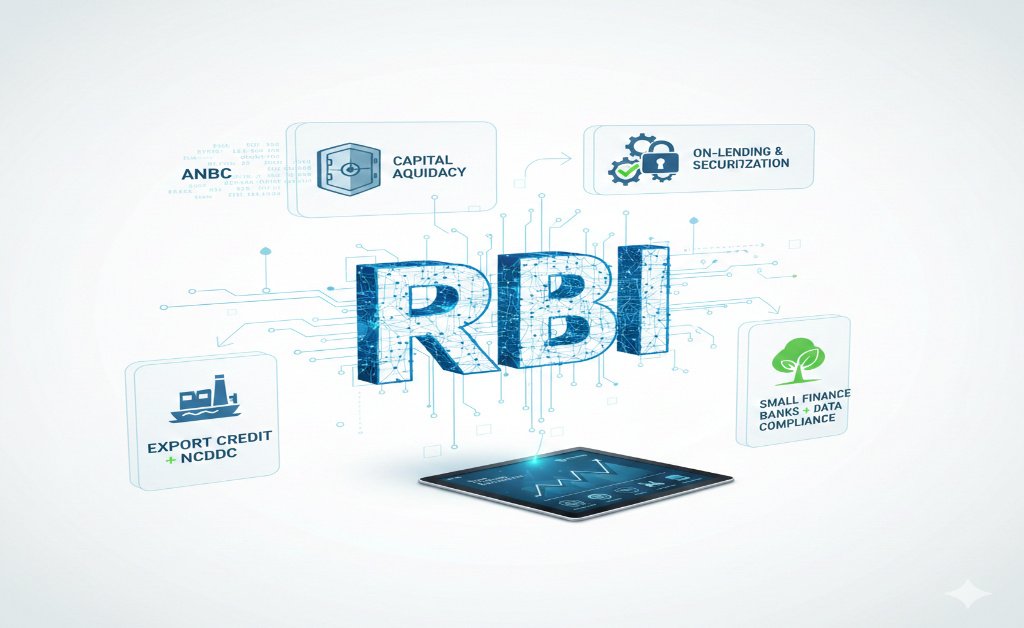
The major part of the update is the timing of the Adjusted Net Bank Credit (ANBC) and the off-balance sheet exposures calculation. The RBI has confirmed that off-balance sheet items will now be determined following the Paris Exposures Framework and the applicable capital adequacy directions issued in 2025. This alignment secures that the banks are holding adequate capital buffers against their priority sector liabilities, thus lowering systemic risk and making sure that the lending practices comply with the globalization’s best prudential norms.
Strengthening Oversight on On-Lending and Securitization
The RBI has tightened verification of on-lending and securitization by using a more robust method to ascertain that the funds are being disbursed to the right recipients, i.e. on-lending and securitization. Banks are obliged to undertake external auditor certifications and internal sample checks to confirm the PSL status of the underlying loan portfolios. In addition, loans to NBFCs and Microfinance Institutions (MFIs) for on-lending purposes will continue to be eligible for PSL status but the amounts will be strictly limited to 5% of a bank’s total PSL from the previous financial year in order to avoid over-concentration.
New Provisions for Export Credit and NCDC
The new regulations have made explicit the distinctions and classifications related to export credit and institutional finance. If the end-users of the export credit are farmers or small manufacturers, then it will be allocated to those categories while the importers’ total will be subject to limits. To some extent, the current lending/borrowing structure of the National Cooperative Development Corporation (NCDC) from the commercial banks will be handled as it is a part of the Priority Sector Lending (PSL). This position aims at enhancing liquidity in rural areas and supporting the cooperative society through the provision of funds that are sanctioned and verified.