
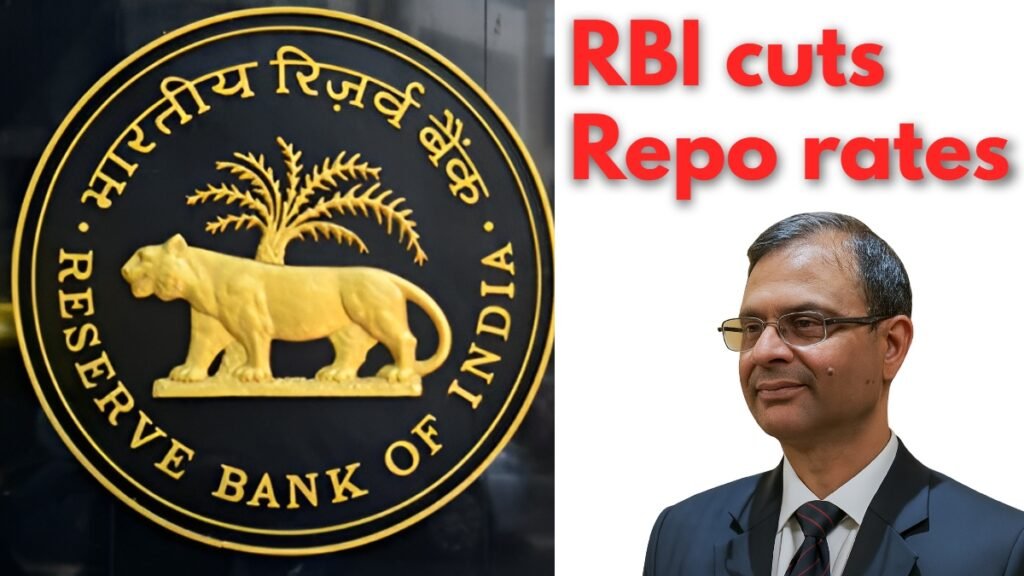
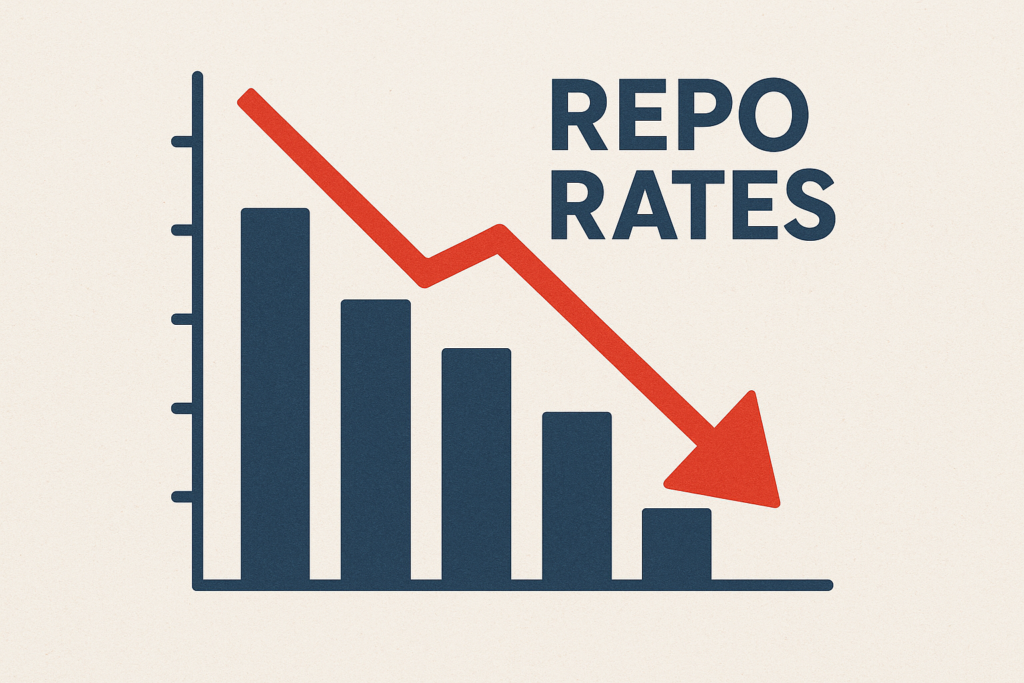
On 5 December 2025, the Reserve Bank of India’s Monetary Policy Committee (MPC) unanimously(jointly) decided to reduce the policy repo rate by 25 basis points from 5.50% to 5.25%, with immediate effect.
This decision concludes a short pause in rate cuts, marking the fourth reduction in 2025 and bringing the total easing this year to 125 basis points since February.
In its post-meeting policy statement, the MPC — chaired by Governor Sanjay Malhotra — also retained a “neutral” policy stance, signalling readiness to respond to evolving economic conditions rather than committing to further cuts immediately.
Why Now: Growth + Low Inflation
Relief for borrowers and the broader economy arrives against a backdrop of exceptionally benign inflation coupled with robust economic growth. Headline inflation has dropped sharply in recent months, providing the RBI space to ease without risking price stability.
At the same time, economic activity remains strong. The RBI raised its growth forecast for fiscal year 2025-26 to 7.3%, up from 6.8%.
Governor Malhotra called the current situation reminiscent of a “rare Goldilocks period” — a strong-growth, low-inflation environment that justifies measured support through monetary easing.
What It Means for Borrowers, Depositors and Markets
For home-loan borrowers and those with floating-rate debt, the cut is likely to translate into lower EMIs once banks pass on the benefit.
On the other hand, depositors — particularly those dependent on fixed deposits (FDs) and other fixed-income instruments — may face lower interest rates on fresh deposits as banks adapt to the reduced interest rate regime.
For the wider economy, this rate cut along with improved liquidity should help revive credit offtake — boosting sectors like real estate, consumer goods, and capital-intensive industries. Analysts expect the decision to provide fresh momentum to investment and consumption demand.
What Lies Ahead
Although the cut demonstrates confidence in India’s macroeconomic path, the RBI is evidently remaining cautious. The “neutral” stance—instead of a more aggressive “accommodative” one—indicates that future rate decisions will hinge on evolving inflation, growth, and global risks.
If price pressures stay muted and demand remains resilient, some analysts see room for another cut later. Conversely, any spike in inflation, global commodity shocks, or currency volatility could lead the RBI to halt further reductions.
In brief: Borrowers will celebrate the rate cut. Savers may have to hunt harder. And businesses could seize new opportunities — provided the RBI remains vigilant to changing economic currents.