
In the year 2026, people cannot just choose the credit card with the best rewards. They now have to get a financial instrument that matches their flow of money. If the average rate of interest for outstanding balance is around 35%-45%, then making one wrong selection may lead to continued borrowing. Consumers should be wise swipers who defy marketing tricks and rather see supportive attributes of consumption structure.
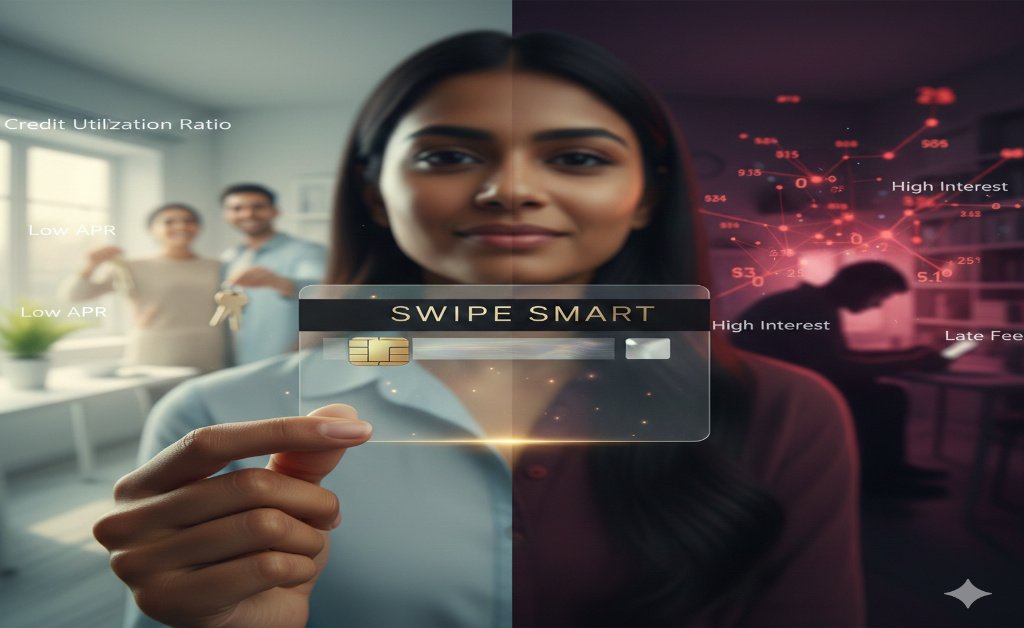
Matching Card Properties with Consumer Types of Expenditure
To use the card and not be in debt follow this advice: first match what you spend on, in reality, to the card’s reward system and not what you would like to spend on. For beginners, it is better to have priority access to cards tagged as “Lifetime Free” (LTF) or having low annual charges (normally up to ₹1,000). Cashback card is usually safer for someone starting with grocery bills and electricity payments whereas travel card may contain too much traps in form of free tickets which are hard to resist but expensive if summed up altogether. By picking a card that gives you discounts on your normal purchases, you make sure that you earn and receive an organic benefit.
Give Priority to Low Apr and Grace Periods Without Interest
Ideally one should pay in full always, but it makes sense to select a card offering competitive Annual Percentage Rate (APR) coupled with extended grace period (usually between 45 and 50 days). A wise cardholder will typically keep a “Credit Card Stack” — using different cards depending on billing cycle so as to get maximum number of interest free days. For instance, if something is bought at the beginning of billing cycle, then it will enjoy almost seven weeks within which no interest would be charged on the credit advanced. However, there is one important principle: never consider your credit limit to be an “additional income.” The surest way of avoiding debt build-up is checking your balance every week and making sure that you have money in your wallet before using credit card.
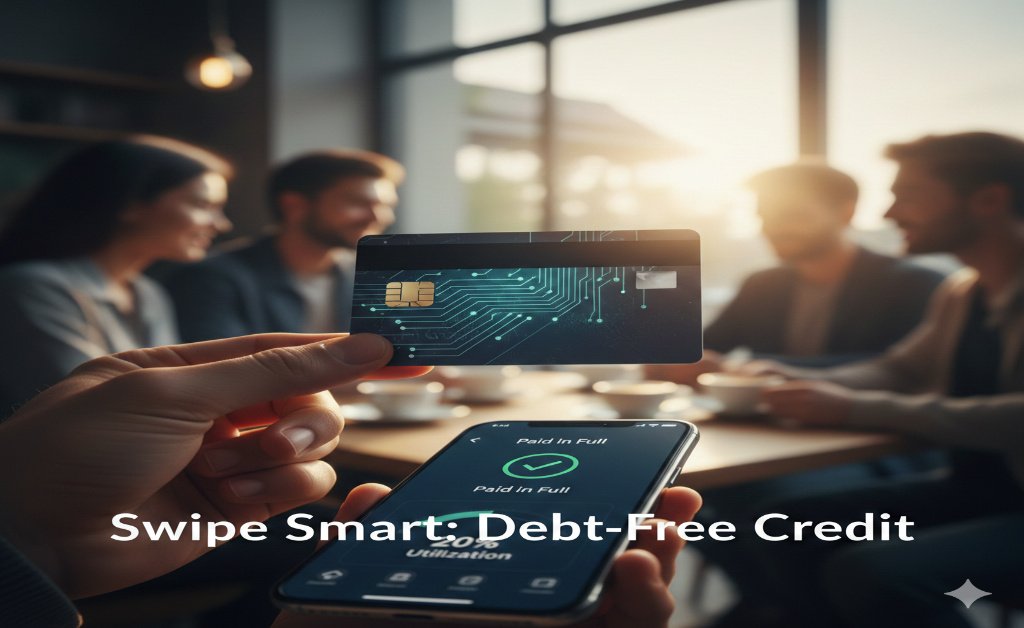
Control Your Finances by Managing Credit Utilization Ratio
One of the biggest problems with credit cards is to reach at maximum limit which spoils your CIBIL even though you repay everything. Financial specialists advise maintaining Credit Utilization Ratio (CUR) under thirty percent. If your limit is ₹1,00,000, try not spending over ₹30,000. Secured Credit Card supported with FD is like training wheels especially for those without credit; it gives them opportunity to learn how manage with money on such cards provided but without risking unpayable balance hence developing high CIBIL score.