
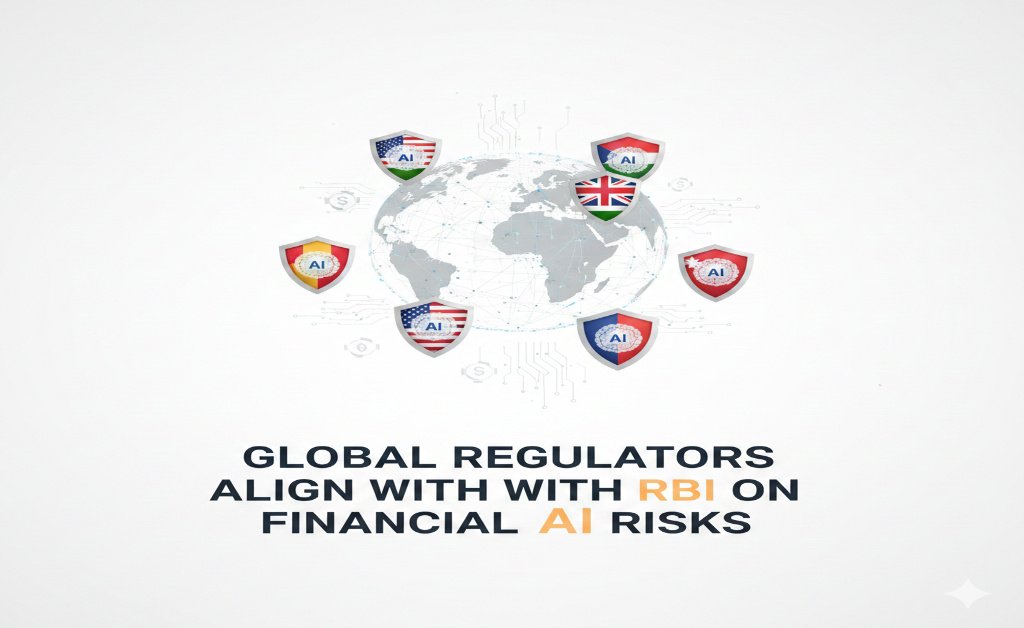
The quick adoption of technology through AI in the financial sector has led to a collective response from the worldwide government and regulatory bodies. Following the Reserve Bank of India’s previous cautious approach, the authorities now point to the possible systemic threats caused by the unregulated use of AI. This united front is aimed at forming a barrier that will keep the global economy’s infrastructure stability intact even when the tech innovations come in.

Global Lawmakers Address Financial AI Risks and Governance
Lawmakers in the most significant economies are growing more and more concerned about the “black box” aspect of AI algorithms that are used in credit scoring and risk assessment. By reflecting the RBI’s alerts, the global regulatory bodies are stressing that the invisibility in the automated decision-making process can result in unbalanced outcomes and erratic market behaviors. The spotlight has turned toward the establishment of legislative frameworks that will call for explainability, which means that the financial institutions will have to take responsibility for the actions of their autonomous systems.
Enhancing Financial Services Security Through International Standards
With the financial services sector turning more to machine learning, the likelihood of sophisticated cyber-attacks and data breaches has gone up more. Regulators propose to have the international standards synchronized to protect the consumer data and the operational resilience. The guidelines that are being proposed imply that the institutions need to have applied comprehensive stress testing for their AI models so that they can be sure that the models can endure not only the market volatility but also the malicious interference turning the risks that were once theoretical into operational protocols that are manageable.
Mitigating Systemic Stability Risks in AI Integration
The modern financial world being so interconnected implies that a failure in one AI-led trading platform or lending system could set off a chain reaction. To address these risks to stability in the financial system that might arise due to technology, regulators are asking for enhanced supervisory oversight that would be in pace with the rate of technological changes. By helping to create a cooperative atmosphere in which central banks pass on information about AI-related threats, the world community intends to reap the rewards of automation while not compromising the overall financial ecosystem’s integrity.