
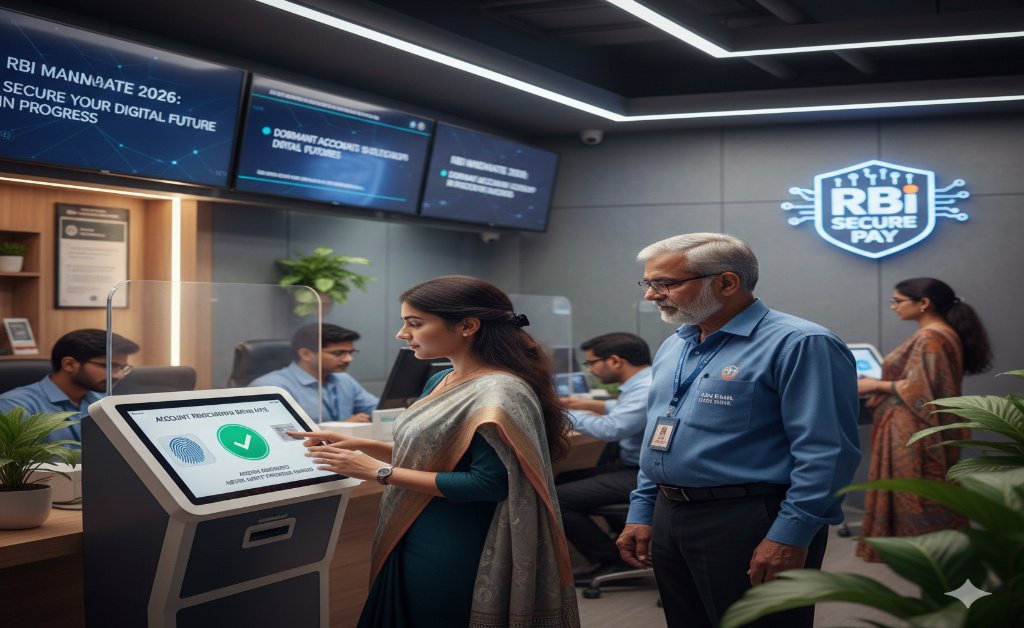
This morning, January 4, banks finished the preparation stage and started putting Digital Banking Safety protocols into effect. The summer of the January 1 deadline is the phase when financial institutions are taking an aggressive stance in identifying accounts for suspension. The targeted group is made up of Dormant and Inactive Accounts, those that have gone through no customer-initiated activity for more than two years. Banks are getting reports of a rush of walk-in customers at their branches who want to either update their KYC (Know Your Customer) details or carry out “token transactions” to avoid account deactivation. The cleaning operation is in line with the RBI’s vision for 2026, which aims to make the financial ecosystem more secure against cyber-fraud, and at the same time, the maintenance costs of keeping millions of non-functional records will be reduced.
Banking Sector Response to New Wage Code 2026
The physical branches witness high activity, whereas the banking sector’s back-end focus is on the immediate rollout of the New Wage Code 2026, which is the next big thing in legislation. Today, banks are processing the first payroll cycles under the new rule that requires the basic salary to be at least 50% of the total CTC. In the case of the banking industry’s own gigantic workforce, this has meant a large recalibration of pay slips. The change brings about a large decline in Net Take-Home Salary for employees who are seeing the first indications. However, one of the major benefits over the long haul will be in the area of Financial Stability, since higher Provident Fund (PF) and gratuity contributions will be the offshoots of this change. Thus, this shift is leading to a “personal finance reset” in the entire country as salaried professionals are adjusting their monthly budgets to the tune of higher mandatory savings.

Weekly Credit Data Cycle and Market Liquidity
In a significant shift from the previous 15-day reporting cycle, the credit bureaus have officially switched to a Weekly Credit Reporting system starting this week. As a consequence, any early January loan repayments or defaults will be reflected in the credit scores within a few days instead of weeks. This change is anticipated to considerably increase transparency and give banks the opportunity to make quicker and more accurate lending decisions based on real-time data. At the same time, the RBI is assessing market liquidity as the first state borrowing auctions of 2026 are set to begin later this week. This combined targeting of almost ₹5 lakh crore for the quarter is likely to establish the first week of 2026 as a crucial moment for the Indian banking sector in terms of structural discipline.