
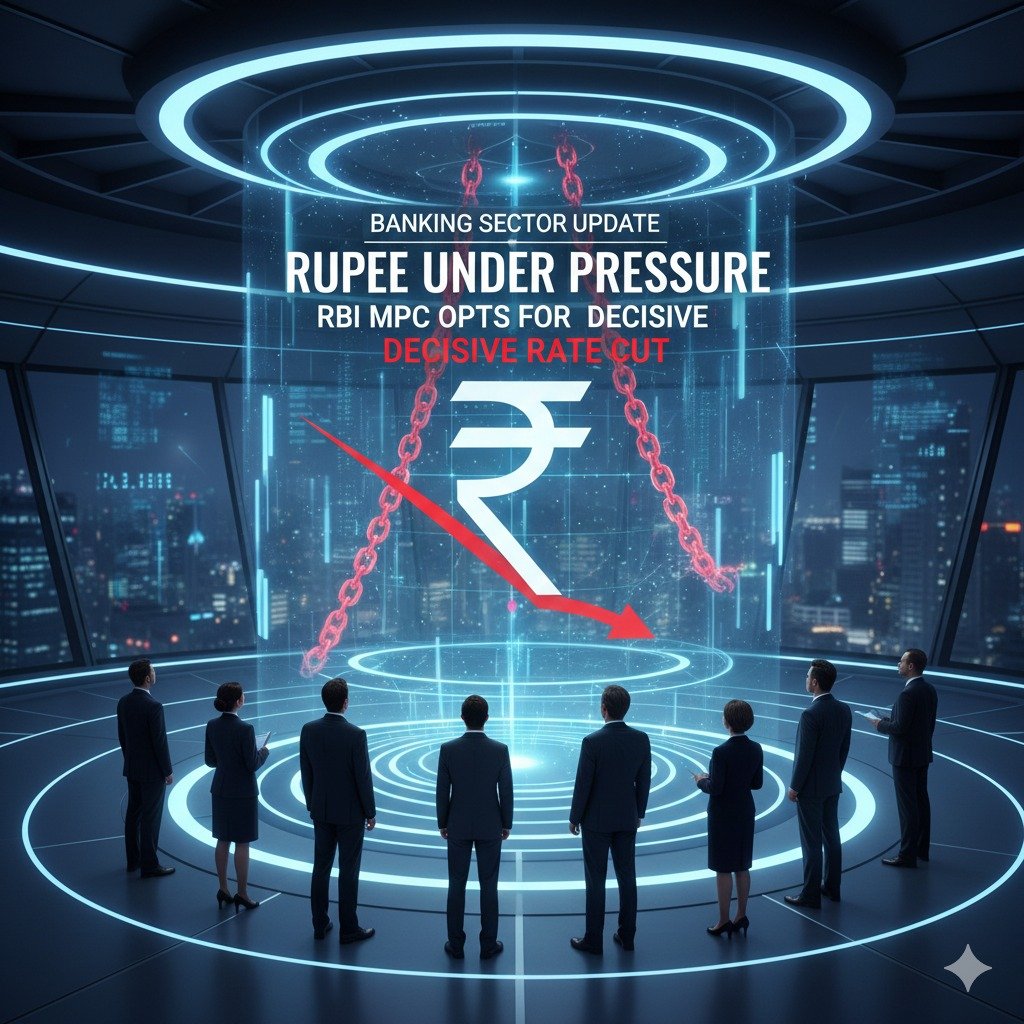
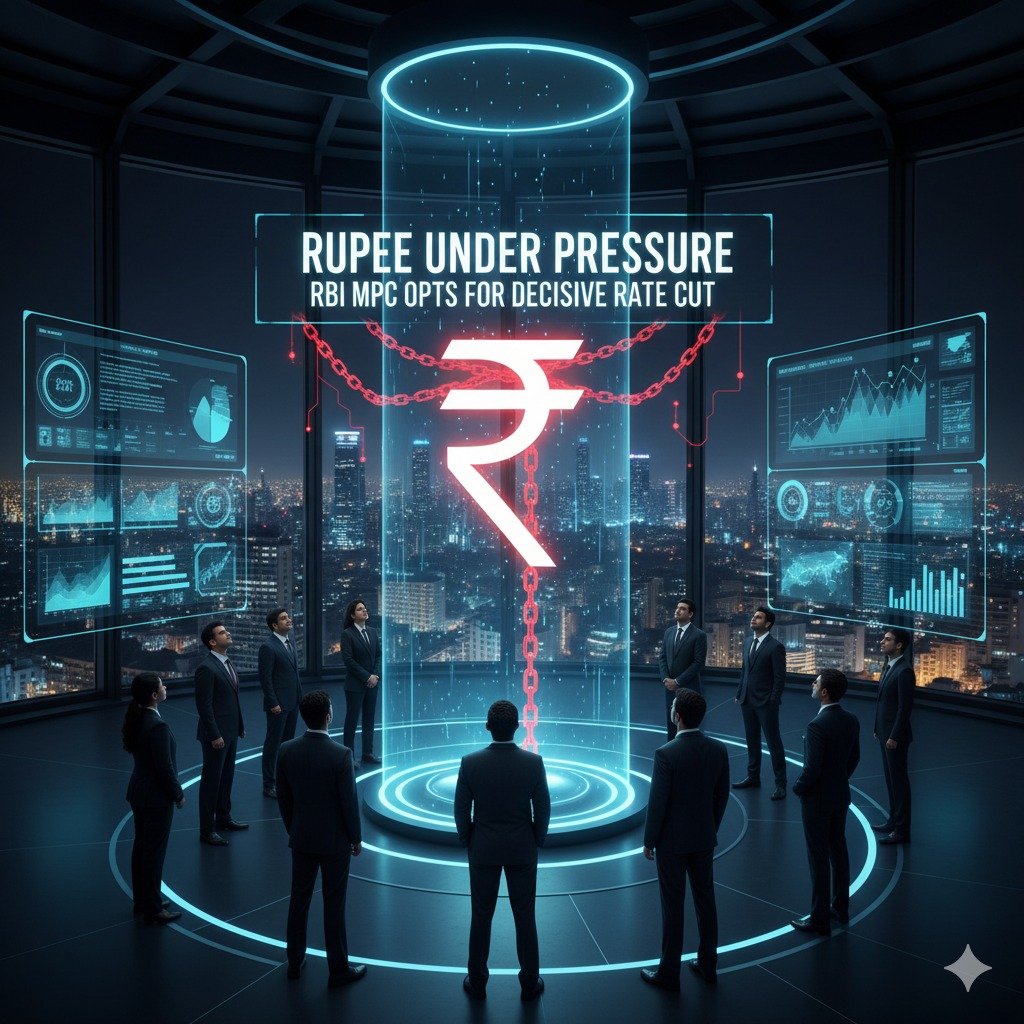
In 2025, the Monetary Policy Committee of the Reserve Bank of India at its last meeting took a unanimous decision to reduce the repo rate by 25 basis points to 5.25%. The total reduction during the year is now 125 basis points, and the cut comes at an unfavorable time when the Indian Rupee was under pressure and recently testing the 90-per-dollar level. However, even though the currency is in turmoil, Prof. Ram Singh, a member of the MPC, pointed out that the challenge of “imported inflation,” the situation where a weaker currency leads to dearer imports, stays under control mainly because of the very mild domestic price situation prevailing in India.
The Lone Voice for Accommodation
Although the rate cut was decided unanimously, the committee split over future policy stance. Prof. Ram Singh was the only member who called for the transition from “neutral” to an “accommodative” stance. Singh pointed out that with the reduction of headline inflation to record lows, falling to 0.25% in October 2025, the real interest rates are prohibitively high. He warned that holding off on producing a more supportive policy could cause India’s growth, which the RBI has now rated as strong at 7.3% for FY26, to falter.
Why Imported Inflation Stays Subdued
The committee has lessened the concern that a weaker Rupee would cause a dramatic increase in the prices of imported goods such as oil and electronics, which the committee had previously raised. Prof. Ram Singh pointed out that the sluggishness in price momentum across both headline and core inflation gives a wide buffer. Moreover, the recent GST (Goods and Services Tax) rationalization and the fall in food prices have reduced inflation much below the RBI’s 4% target, thus providing the central bank with ample “elbow room” to cut rates without the immediate fear of a price spiral.
Liquidity Infusion to Aid Transmission
In order for the RBI’s policy of cutting rates by 25 basis points to actually benefit the borrowers, the central bank declared an enormous ₹1.45 trillion liquidity infusion. This is made up of ₹1 trillion in Open Market Operations (OMO) and a $5 billion USD/INR buy-sell swap. These measures are aimed at stabilizing the short-term market rates and relieving the banks and NBFCs (Non-Banking Financial Companies) of funding pressures, which in turn will help keep the banking sector strong even if global trade battles are not favorable.
Also Checkout:
1.NPS Rules Changed: When Government and Non-Government Subscribers Are Allowed to Withdraw 100%: https://merchantblogger.com/nps-rules-changed-when-government-and-non-government-subscribers-are-allowed-to-withdraw-100/
2.5 Crucial Factors That Can Impact Your Personal Loan Approval Process: https://merchantblogger.com/5-crucial-factors-that-can-impact-your-personal-loan-approval-process/